(973) 910-1533 Appointment

Bariatric NutritionIn New Jersey

What is Bariatric Nutrition?

Many people in the United States struggle with obesity and have found they are unable to lose weight on their own. When all other options have been exhausted, they turn to bariatric surgery, which refers to different surgical procedures designed to target weight loss.

However, this surgery is not the first step in the weight loss process. Before you can get bariatric surgery, you have to be approved by a multidisciplinary team that includes but is not limited to your surgeon, primary care physician, psychologist, and Registered Dietitian. RDN Nutrition Counseling helps you reach the bariatric nutrition benchmarks required to get approved for your surgery.

Afterward, the job isn’t done. It is essential to adhere to a strict diet provided by our Registered Dietitian, not only to lose weight effectively but also to provide your body with the necessary nutrients and vitamins that it requires. We will help guide you before, during, and after surgery to give you the help and support you need, to make sure your weight loss journey is successful. Call or email RDN Nutrition Counseling today if you are interested in learning more about bariatric nutrition in New Jersey.


New Jersey Bariatric Nutrition model with blonde hair

What is a healthy BMI?

New Jersey Bariatric Nutrition model with brown hair

Your weight class is defined by something called BMI, or body mass index, which uses your height and weight to classify if you are at risk to develop any medical conditions that can impact your health and well-being.

A healthy BMI should be between 18.5kg/m2 and 24.9kg/m2; when a patient’s BMI is 25kg/m2 to 29.9kg/m2 they are considered overweight. Obesity class 1 is classified when a patient has a BMI of 30kg/m2 or higher. Any patient with a BMI of 35kg/m2 or higher is at a very high risk to develop comorbidities such as Diabetes, High Blood Pressure, and Sleep Apnea. At RDN Nutrition Counseling, we want to provide you with the necessary tools you need to keep the weight off post-operatively.

Bariatric Nutrition Before Surgery

To be approved for any weight loss procedure the patient needs to prove that they are willing to undergo behavior modifications that will be crucial to ensure success post-op.

These include but are not limited to eliminating refined processed foods from their diets, carbonated beverages, and eating balanced nutrient-dense meals. These prove that you are a serious and healthy candidate for surgery. These modifications will be worked out by you and one of our Registered Dietitians at RDN Nutrition Counseling. Together, you’ll come up with an individualized plan to accommodate what the patient needs to work on in preparation for the surgery. At RDN Nutrition Counseling, we’ll be right there with you every step of the way.

Bariatric Nutrition After Surgery

After you have your bariatric surgery, you must follow the strict nutrition guidelines for optimal results.

Following the bariatric nutrition plan provided by our Registered Dietitians has an array of benefits. First, it will provide your body with the required amounts of fluids, vitamins, and minerals as well as letting the stomach heal and promoting the weight loss process. While there can be some variations depending on which surgery you have and your surgeon, there are several basic steps to follow after surgery.

New Jersey Bariatric Nutrition model smiling

Liquid Diet

Depending on your surgeon and program on average the patient will need to adhere to a Clear Liquid diet for up to two weeks post-op.

Pureed Diet

Once you can handle liquids, you can start to eat foods that have been pureed, or mashed up; typically this stage will last for about two weeks.

Soft Foods

After eating pureed food for at least two weeks you can start adding soft food (like egg whites) to your diet. Be sure to follow up with our Registered Dietitians.

Solid Foods

Finally - solids! After at least eight weeks, you can start to eat more solid foods. You will still need to avoid food, such as bread, soda, fried foods. As these will NOT be tolerated by your new stomach.

Nutrition by Surgery Type

Every bariatric procedure changes your digestive system in its own way, so the nutrition plan that follows it is different too.

The stages of eating after surgery — liquids, pureed foods, soft foods, then solids — look broadly similar across procedures, but the timing, portions, and supplements are individualized by your surgical team. Your surgical team performs your procedure and sets your medical guidelines; our Registered Dietitians build your day-to-day nutrition plan around them, with ongoing follow-up, supplements, and lab monitoring to help you stay nourished for the long term.

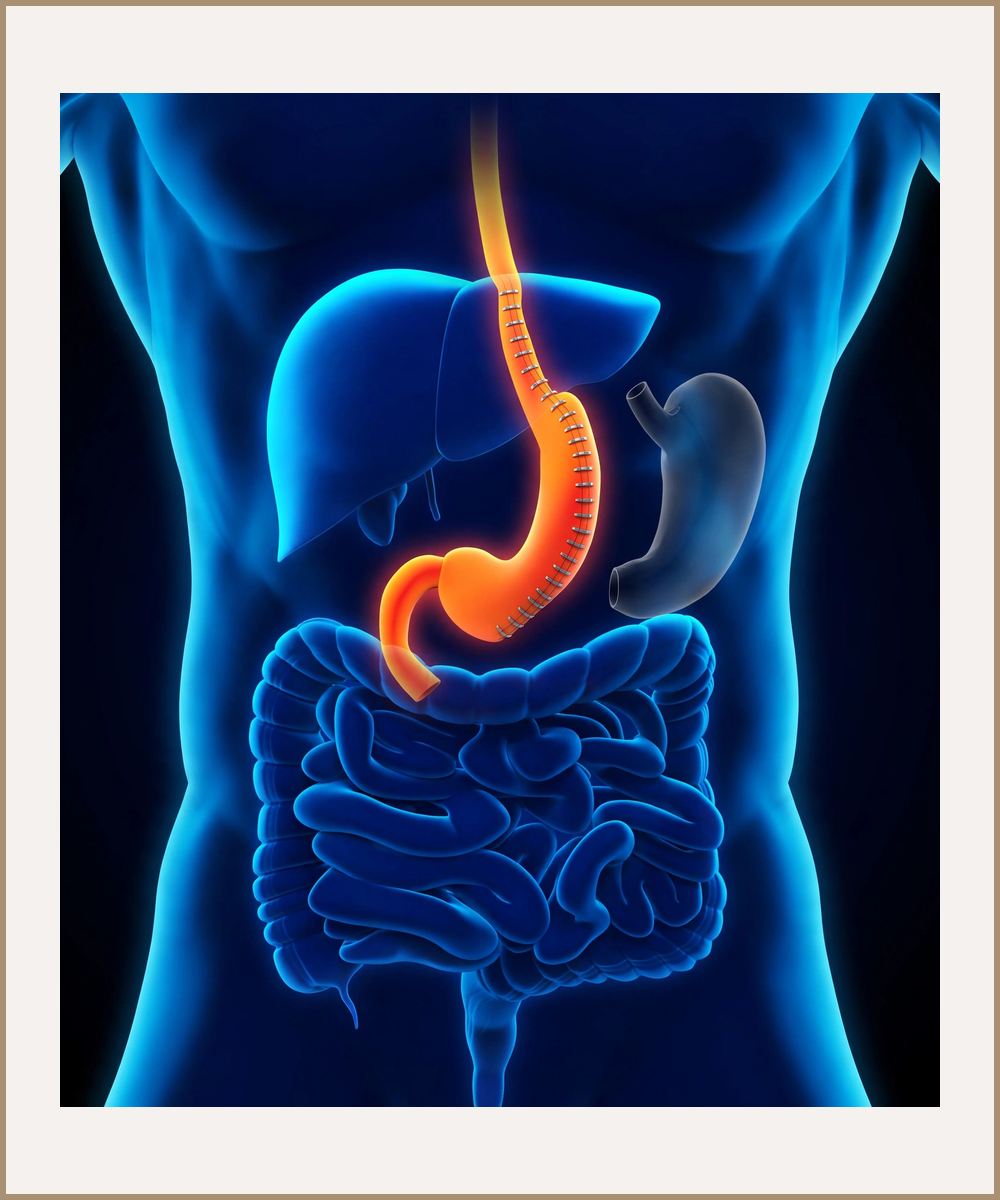
Illustration of a sleeve gastrectomy

Sleeve Gastrectomy

What changes: The surgeon removes a large portion of the stomach, leaving a narrow, banana-shaped sleeve. With a much smaller stomach, you feel full after small amounts of food.

Eating after surgery: Meals become very small, and protein comes first at every meal to help protect muscle while you lose weight. Drinking with meals is usually discouraged so your small stomach is not filled with fluid instead of nutrition — your team will give you their specific guidelines.

Nutrients to watch: Because you eat much less — and stomach acid, which helps absorb some nutrients, is reduced — low levels of vitamin B12, iron, vitamin D, folate, and calcium can occur over time.

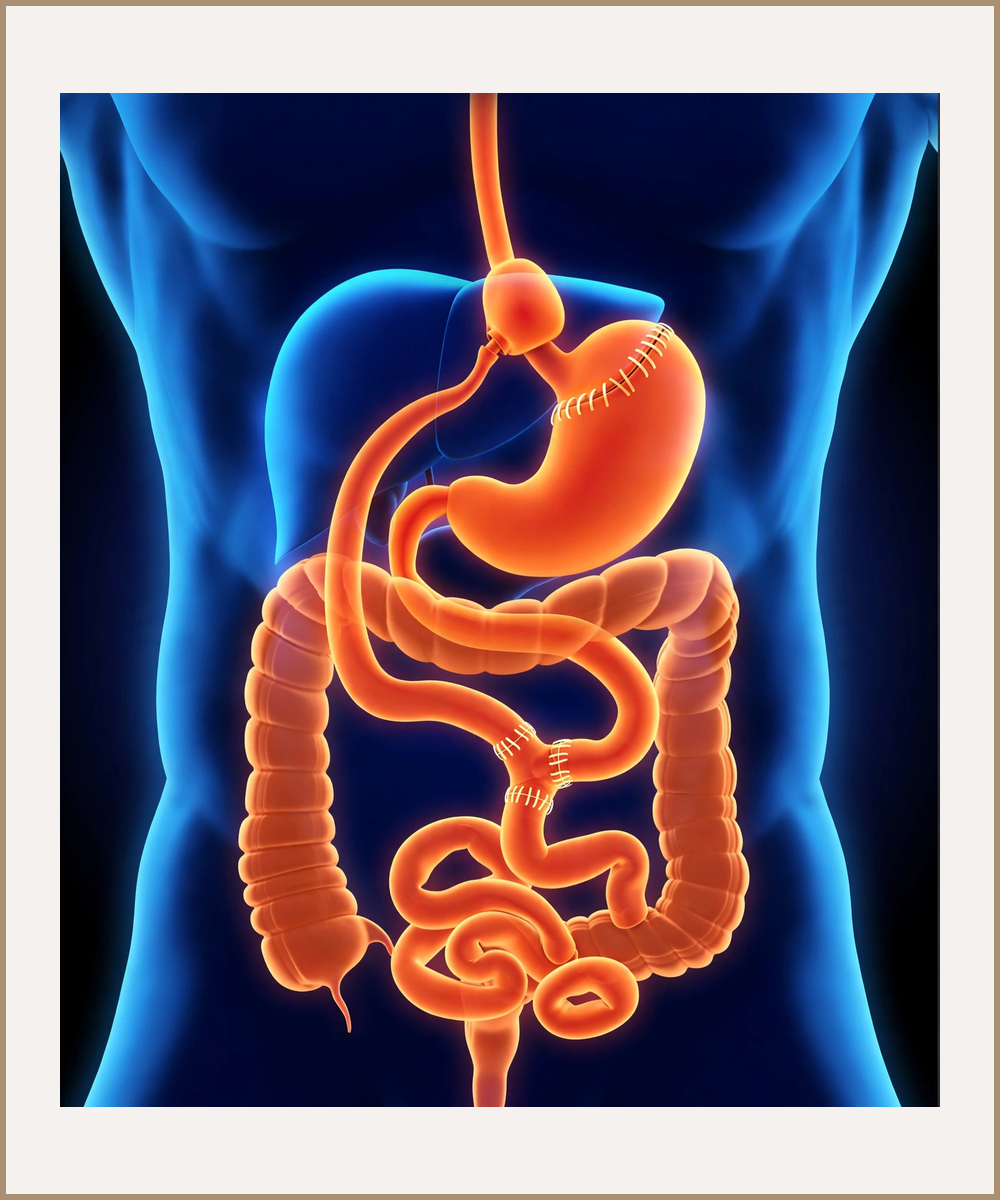
Illustration of a Roux-en-Y gastric bypass

Roux-en-Y Gastric Bypass

What changes: The surgeon creates a small stomach pouch and connects it directly to the small intestine, bypassing most of the stomach and the first part of the small intestine. Food takes a shorter path, so fewer calories and nutrients are absorbed.

Eating after surgery: The same staged progression applies, but bypass patients often need to be especially careful with sweets and high-fat foods, which can cause dumping syndrome — nausea, cramping, or dizziness after eating. Your dietitian can help you build meals that avoid triggers.

Nutrients to watch: Because part of the intestine is bypassed, low levels of vitamin B12, iron, calcium, vitamin D, and folate can occur more often than with the sleeve.

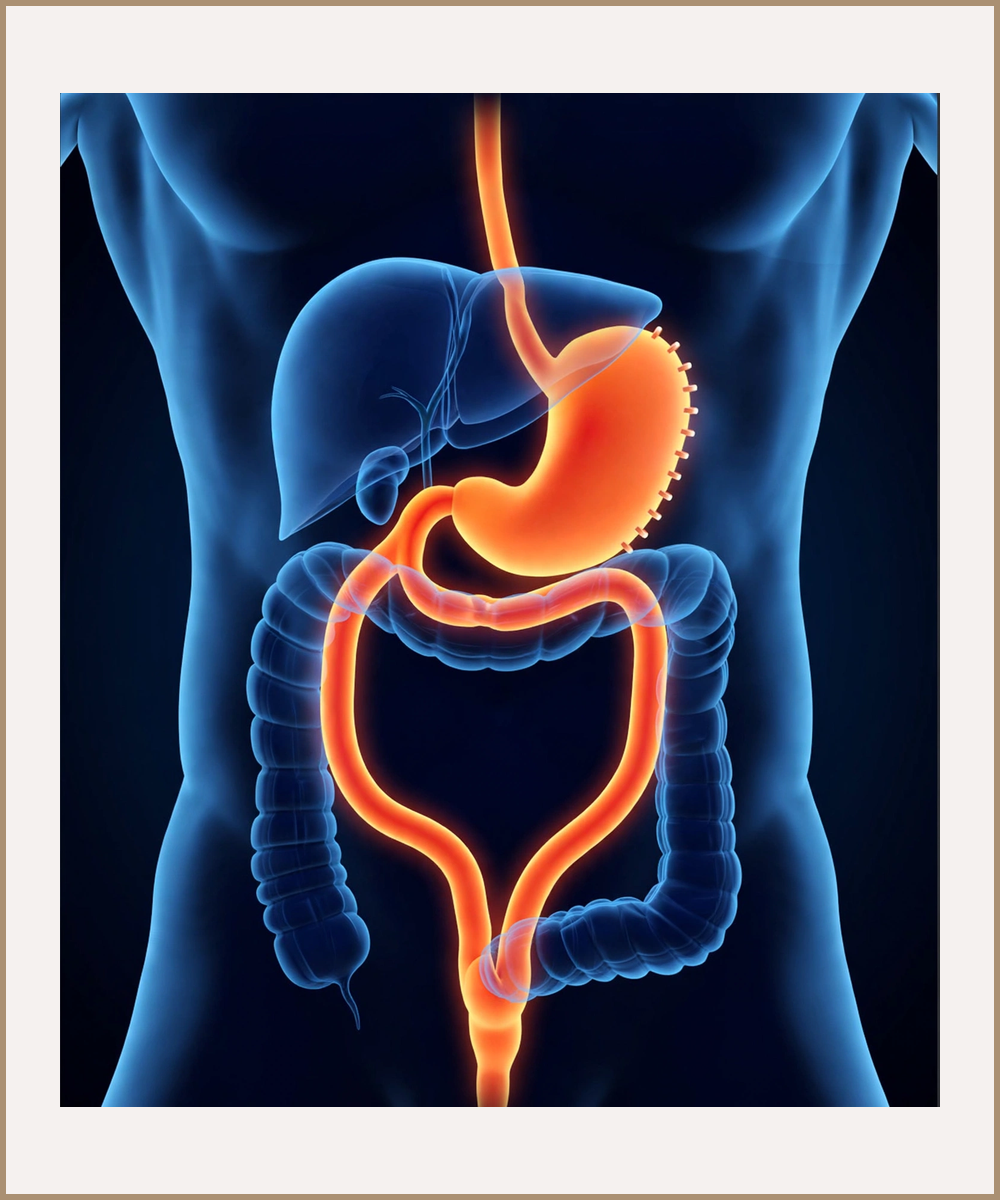
Illustration of a biliopancreatic diversion with duodenal switch

Biliopancreatic Diversion with Duodenal Switch

What changes: This procedure combines a sleeve-shaped stomach with a significant rerouting of the small intestine, so food mixes with digestive juices much later. It can produce powerful weight loss but also the most malabsorption of the three procedures.

Eating after surgery: Protein needs are higher with this procedure, and meals stay small. Because so much absorption happens late, high-fat foods can cause loose stools or discomfort — your dietitian can help you find the right balance.

Nutrients to watch: The rerouting can reduce absorption of the fat-soluble vitamins A, D, E, and K, as well as B12, iron, and calcium — and getting enough protein takes planning. This is the procedure where supplements and lab monitoring matter most.

Note: this illustration is simplified and does not show the digestive and biliopancreatic loops in detail.

Ongoing care after any bariatric procedure: a daily bariatric multivitamin plus any additional supplements your team prescribes, regular bloodwork to check your nutrient levels, and follow-up visits with your Registered Dietitian. Deficiencies can develop quietly — monitoring catches them early, while they are easy to correct.

Your New Jersey Bariatric Nutrition Consultation

If you would like to know more about bariatric nutrition in New Jersey- even if you are not planning on getting surgery - come to RDN Nutrition Counseling for a consultation. Our Registered Dietitians can help you with weight loss in preparation for your surgery, nutrition support while taking weight loss medication, or general nutrition. See our weight loss plans. Call or email RDN Nutrition Counseling today to book a consultation with one of our Registered Dietitians in New Jersey.

Bariatric Nutrition FAQs

You can CLICK HERE to enter your information and discover your BMI.

Gastric bypass not only limits the kinds of foods you can eat but also the quantity of food. Additionally, it limits the nutrients that your body can absorb. To avoid malnutrition from vitamin deficiency after gastric bypass, you will need to work with a Registered Dietitian to ensure that you are getting the proper nutrients from your diet. This may include subsidizing your diet with vitamin supplements:

  • Iron
  • Calcium
  • Vitamin B1
  • Vitamin B12

Put RDN Nutrition Counseling in your corner. Schedule an in-person or virtual consultation today.

Today could be the day that you look back on as “the day it all changed.” Today could be the day you take control of your weight. All you have to do is contact us. Our licensed New Jersey registered dietitian nutritionists have helped others fight the fat. They can help you, too.

716 Broad Street Suite 2-E, Clifton NJ 07013